Electronic Seal for Fuel Tankers
An electronic seal for fuel tankers that records who opened which valve or manhole, where and when — and raises the alarm while the truck is still on the road if it happens anywhere it should not. Several seals and one gateway per vehicle, and one SIM card.
What a plastic seal cannot tell you
Fuel goes missing between the terminal and the delivery point, and a conventional seal shows it only afterwards. What matters is not how tight the seal is, but whether the opening was recorded in a way that stands up as evidence.
Copied at the roadside
Plastic and lead seals can be copied. A matching number is easy to find, and a swapped seal leaves no trace.
Found out on arrival
The seal is checked at the destination. By then the fuel has gone and the truck has covered the whole route.
No time, no place
Nobody can say on which stretch of road the seal was disturbed, so nobody can be held to account.
Paper records
Seal numbers copied by hand and photos that do not match make the record easy to dispute.
Released or cut?
A plain seal cannot tell an authorised release from a cut. Afterwards both look the same, and both sides tell a different story.
Phones stay at the gate
Most fuel terminals do not allow mobile phones on site. A seal that needs a phone to open cannot be opened where it matters most.
Seals that sleep, one gateway that never does
A cellular radio in every seal multiplies SIM cards and data plans by the number of seals, drains the batteries, and still loses signal inside a steel compartment. So the expensive part goes on the truck once.
The seals wake only when needed
A key press, a platform command, sealing or release, a cut or a pry. The rest of the time they draw microamps, which is why they run for over a year on an internal cell.
The gateway is always on
It sits in the cab on vehicle power with a backup battery, stays online over 4G, keeps a GPS fix and listens for its seals all the time.
One SIM card per truck
The recurring cost no longer grows with the number of seals. One gateway covers about 50 seals; a tanker needs a handful.
LoRa goes through steel
Bluetooth does not pass through a tank compartment or a trailer body. LoRa does, so a gateway in the cab reaches seals on the trailer.
Losing contact is an alarm
A seal taken off the truck drops out of range, and you are told while the truck is still moving.
Nothing to steal in the seal
Network credentials live only in the gateway. A seal removed from a truck carries no SIM and tells an attacker nothing about your network.
From loading terminal to delivery point
Draw the loading terminal and the delivery points on the map as geofences. The platform then judges every seal event against where the truck was standing when it happened.
Seal at loading
Each valve and manhole is sealed. A seating sensor confirms the cable is really home. If the truck leaves the terminal with a seal open, the platform raises an alarm.
On the road
The seals sleep while the gateway reports the truck’s position. A cut or pry wakes the seal, and the alarm reaches the platform at once with the gateway’s GPS position and time.
At the delivery point
The driver presses the wake key on the seal. It reaches the gateway over LoRa, the gateway checks its own position against the geofence, and the seal opens. No phone, no app, no call to the control room.
Anywhere else
A seal opened outside every permitted zone raises an immediate alarm with the place and time. Every event goes into the ledger with seal number, state, time and position.
Which seal for which tanker
Three seals, one platform. Pick by how many sealing points a truck has and where it is opened.
| How it reports | Opens without a phone | Battery life | Best for | |
|---|---|---|---|---|
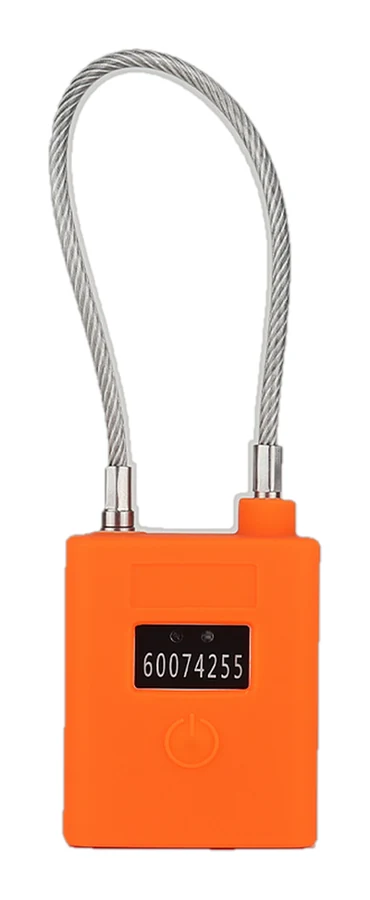
| LORA_BLE_098 cable seal + vehicle gateway | LoRa to the gateway in the cab; the gateway reports over 4G | Yes — key press plus geofence | Over 12 months | Tankers with several sealing points; terminals where phones are not allowed |
| 4G-BLE-093 cable seal | Its own 4G SIM, direct to the platform | Yes — released remotely from the platform | Over 12 months | One or two sealing points per vehicle, no gateway wanted, reliable 4G on the route |
| ABD_BLE_806_QF cable seal | Through the driver’s phone, over Bluetooth | No — opened from the app on site | Over 2 years standby | Lowest cost per seal where a phone is allowed; a full record, but no live alarm |
Battery life is at normal use and depends on how often the seal is operated and how often it reports. The cell is replaced on site with the supplied spanner. All three run on the same platform, app and authorisation rules, so one fleet can mix them.
Frequently asked questions
Are these seals certified for hazardous areas?
No. The LORA_BLE_098 and 4G-BLE-093 carry no explosion-protection certificate. Whether a tanker seal needs one depends on whether the sealing point lies inside a classified hazardous zone, and on what your regulator and insurer require. Many hatch lugs and valve points sit outside the zone, so please check that first.
Our only certified seal is the 4G-LS-809 (Ex ic IIC T6 Gc, China, GB/T 3836, Zone 2). It is built for gas meters and valves — a thin cable cut at every release, cell-tower positioning only — and does not suit a tanker, so we do not offer it for one. If your points are inside a zone, tell us which zone and which certification you need, and we will discuss an explosion-protected LoRa seal as a development project.
Why not put 4G in every seal?
Six seals with their own SIM cards mean six data plans per truck for as long as the fleet runs, and six batteries holding a cellular link open. With LoRa, one gateway carries the traffic and the seals sleep until something happens. For a truck with only one or two sealing points and good coverage, the 4G-BLE-093 is the simpler choice, and it runs on the same platform.
How long do the seal batteries last?
Over 12 months at normal sealing and reporting frequency. How often a seal is operated and how often it reports matter more than anything else, so busy routes see less.
The cell sits in its own bay and is replaced on site with the supplied spanner — no disassembly, no return to the factory. The platform flags low batteries early, so cells can be changed in batches during routine servicing.
What happens when there is no signal?
Events are stored and sent when coverage returns, so the record is complete. A seal out of range of any gateway still records events in its own memory and uploads them at the next contact, but it cannot raise a live alarm while it is out of range.
Can the events go to our own system?
Yes. Our hosted platform has no platform fee, licence fee or per-call charge. The gateway can also send events straight to your own MQTT broker, with broker, topics and credentials all configurable, or we deploy a dedicated platform on your server under your brand. See Platform & App.
What do you need from us to configure a fleet?
Photos of a typical truck’s sealing points with the span at each (this sets the cable length), the number of points per truck and trucks in the first phase, whether any point is in a hazardous zone, how often you need a report, and the country — the LoRa band is chosen for the destination when the order is placed.
The hardware behind it
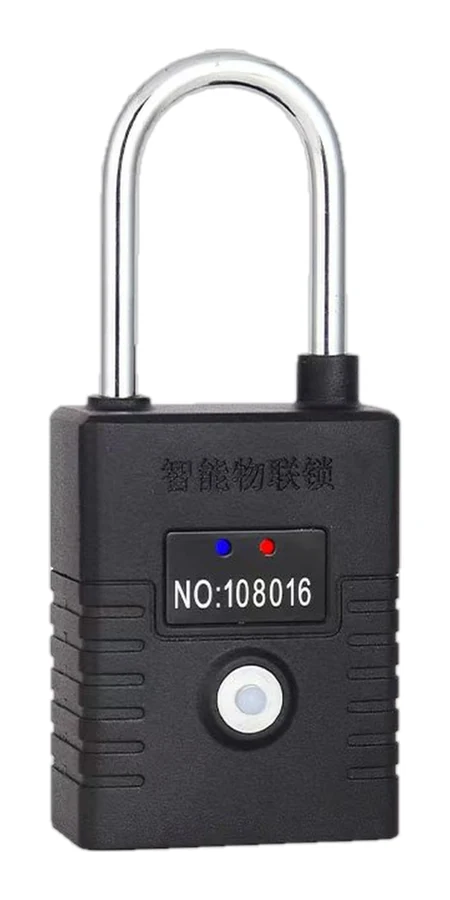
LoRa Smart Padlock
Shackle padlock or cable seal on LoRa. One gateway serves about 50 locks; no SIM in the lock.
Learn more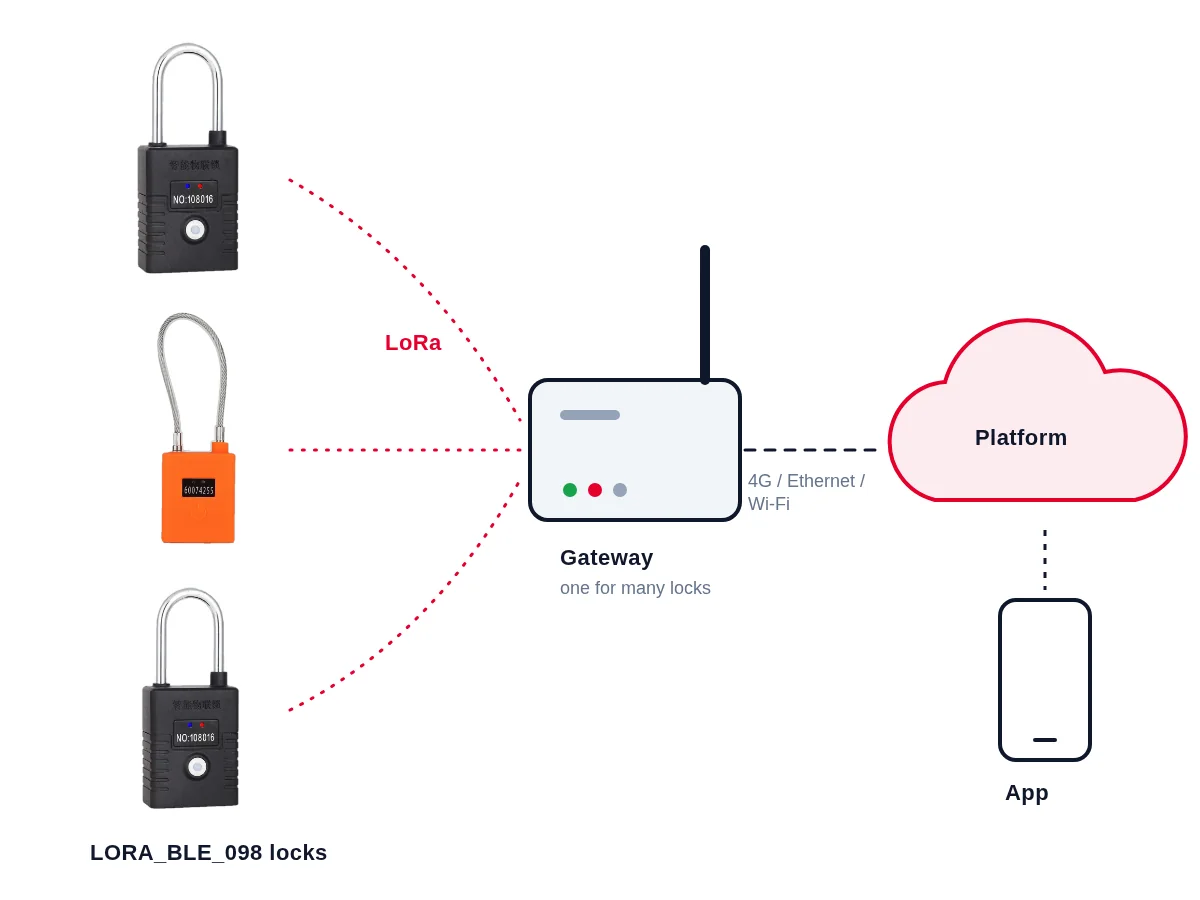
LoRa Gateway
Connects about 50 LoRa locks to the platform. Fixed-site on mains, or in the cab with 4G and GPS.
Learn more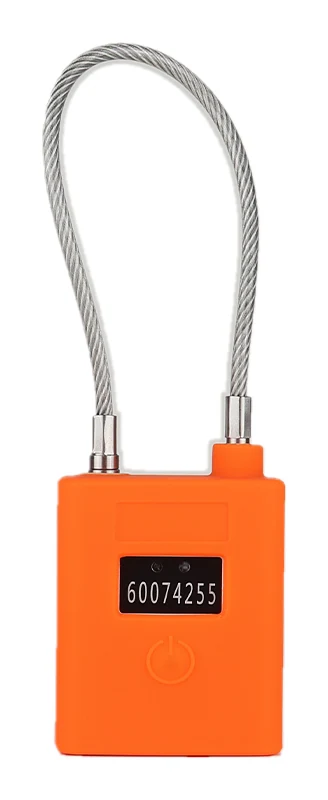
4G Electronic Cargo Seal
Steel-cable seal with its own 4G link. Cut and pry alarms reach the platform in seconds.
Learn more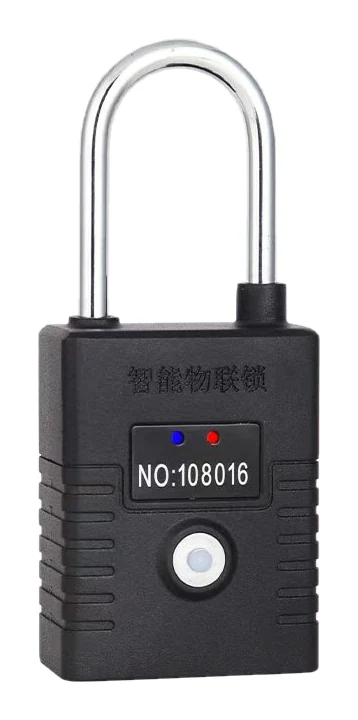
Bluetooth Padlock and Cable Seal
No SIM and no monthly fee. The operator's phone opens it on an authorised, logged permit.
Learn moreSeal a tanker fleet
Send photos of the sealing points, how many points per truck and how many trucks in the first phase. We reply within one business day with a configuration and a quotation.